



How Is Pet Food Tested for Heavy Metals?
Who tests pet food, what a lab does with a sample, and what to ask a company.
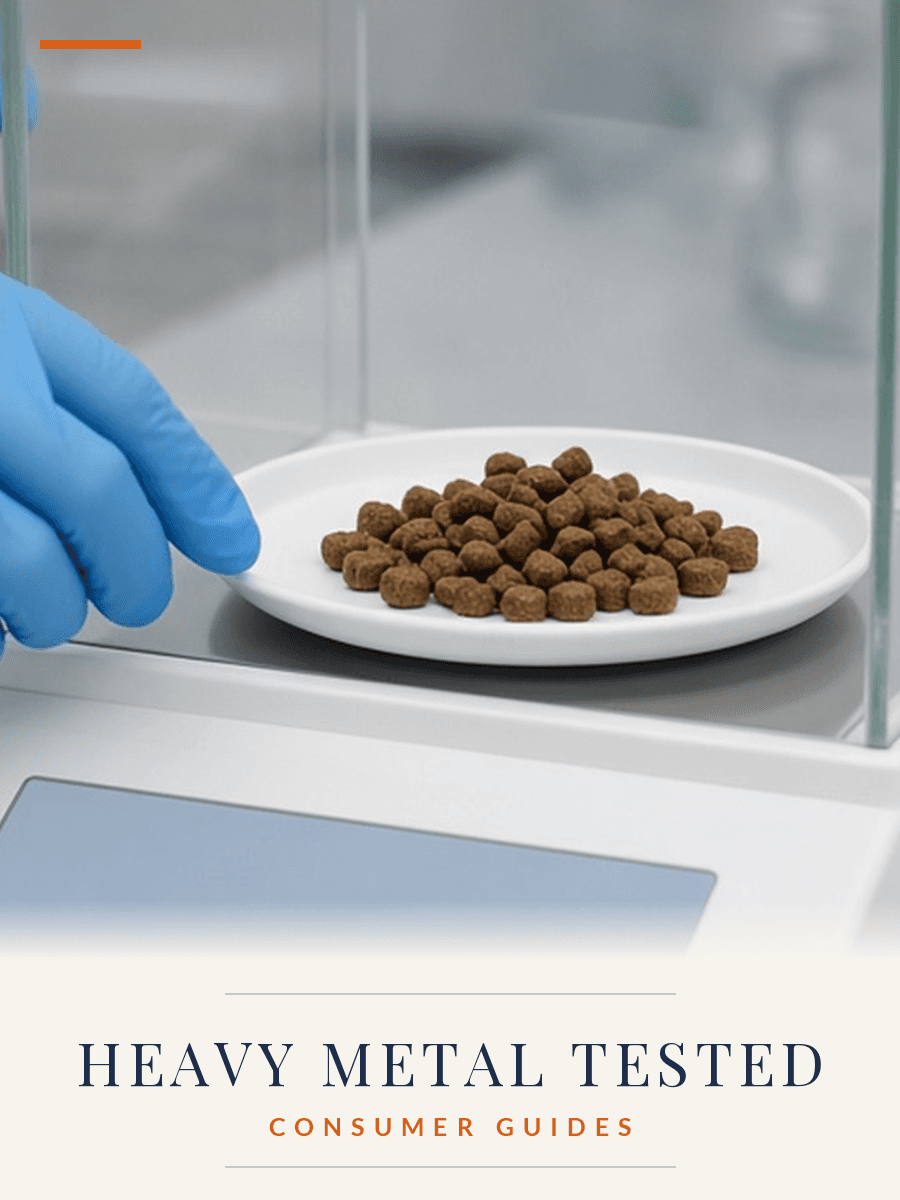
How is pet food tested for heavy metals? Who tests it, how labs measure lead, arsenic, cadmium and mercury, and what results can tell you.

Abstract
Keywords
how is pet food tested for heavy metals, is pet food tested for heavy metals, who tests pet food for heavy metals, pet food heavy metal testing

If you've read our other posts, you've seen the same advice again and again: ask the brand whether it tests for heavy metals. That raises a fair question. Who actually tests pet food, and what happens to a sample once it reaches a lab? Here's a plain-language walk through the process.
The short answer
Pet food can be tested for heavy metals by several groups. The FDA samples animal food as part of a surveillance program. Animal food facilities must analyze the hazards in their products, including chemical hazards, though the rule doesn't name heavy metals. And university and private labs test pet foods for research studies or on request. In published methods from FDA and a state lab, a small portion of food is digested in acid and then measured with a technique called ICP-MS. The label won't tell you whether a particular food was tested, so the useful step is to ask.
Who tests pet food for heavy metals
This is the only section of this post about rules. Who regulates pet food will get its own post.
The FDA. According to the FDA's report on heavy metals in animal food, its Center for Veterinary Medicine runs a heavy metal surveillance program that collects domestic and imported animal food samples each year. From 2015 through 2017, it analyzed 318 samples, 50 of them pet and laboratory animal foods. The FDA has not set action levels for heavy metals in animal food. It acts case by case.
The facility making the food. Under 21 CFR 507.33, animal food facilities must do a written hazard analysis that considers known or reasonably foreseeable hazards. Chemical hazards are one category, and the rule's examples include pesticide and drug residues, natural toxins, and nutrient deficiencies or toxicities. The rule text we reviewed does not name heavy metals or require testing for them. FDA's page on the preventive controls rule for animal food describes this as a written plan with a hazard analysis and risk-based preventive controls.
University and private labs. Researchers have tested pet foods for published studies, such as a 2018 US study of dry dog foods. The FDA notes that owners can have a pet food tested by a private lab. Our guides on how to evaluate a heavy metal testing laboratory and independent labs and certification explain what to look for in a lab.
What happens in the lab, step by step
Methods vary from lab to lab, but published methods follow a similar path. FDA's own Elemental Analysis Manual method 4.7 describes it for food, and a state lab method posted by AAFCO describes it for animal feeds and pet foods.
1. A small portion is weighed out. The lab takes a small analytical portion of the food.
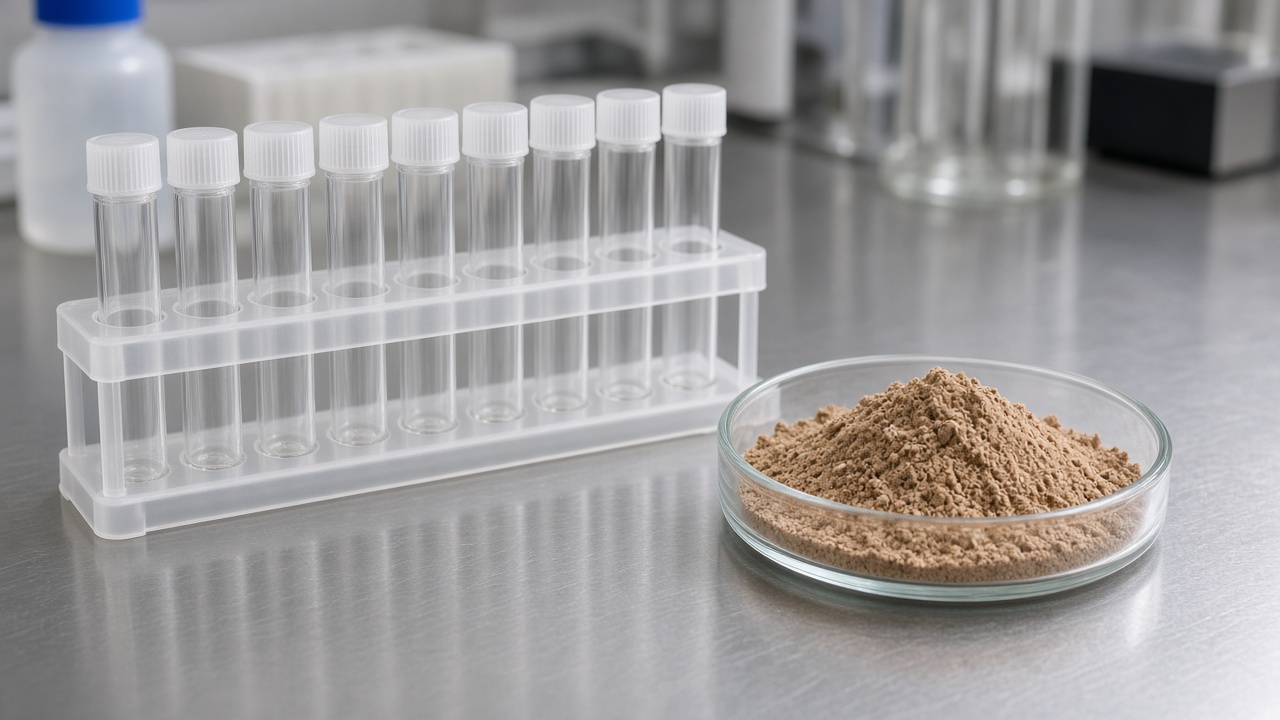
2. The food is digested in acid. The portion goes into a closed vessel with acid and is heated in a microwave system under high pressure. This breaks the food down into a liquid so the metals can be measured.
3. The liquid is measured by ICP-MS. The instrument measures how much of each element is in the solution. FDA's method covers arsenic, cadmium, chromium, lead, mercury, and several other elements.
4. Results are checked. FDA's method uses calibration standards to turn the instrument signal into a concentration, and builds in quality controls to check data quality. The state lab method's study materials included dry cat food and dry dog food alongside other feeds.
5. Labs check themselves against others. AAFCO runs a proficiency testing program for regulatory, industry, and commercial feed labs. Participating labs test the same samples on a set schedule, report their results, and receive performance scores.
For more on how ICP-MS works, see ICP-MS testing, explained.
Total metal vs. the form of the metal
FDA's method 4.7 measures the total acid-extractable amount of each element. That's useful, but it doesn't say which chemical form the metal is in. For mercury and arsenic, form matters.
Separate methods exist for that. FDA's Elemental Analysis Manual lists a method for methylmercury in seafood and methods for arsenic species in fruit juice and in rice. These were written for those foods. The sources we reviewed did not show them being used on pet food.
This is why several pet food studies could report total mercury but not say which form was present. Our posts on lead, arsenic, and mercury in cat food and cats vs. dogs discuss that caveat.
What a test result can and can't tell you
A result describes the sample that was tested. It tells you about that portion of that batch, not every bag a brand has ever made. That's why it helps to know how often a company tests, and which batches.
Units and reporting limits can be confusing. Our guide on how to read a heavy metal COA walks through them.
The label is not a test result either. The FDA explains that the nutritional adequacy statement tells you whether a food is meant to meet a pet's nutritional needs, based on AAFCO nutrient profiles or a feeding trial. It is about nutrition. Our post on heavy metals in kitten food covers this for growth formulas.
Questions to ask a pet food company
"We test our food" is a start. These questions make it something you can check:
- Which metals do you test for?
- Which lab does the testing, and is it independent?
- How often do you test, and which batches?
- Do you report total metals, or the form for mercury and arsenic?
- Will you share the results?
Our 5-minute heavy metals check puts these into a short routine. If you're worried about your cat's health rather than the food, see heavy metal exposure in cats.
FAQ
Is pet food tested for heavy metals? Some is. The FDA samples animal food for surveillance, and labs test foods for studies and for brands. The label doesn't say whether a specific product was tested, so ask the company.
Does the FDA require heavy metal testing for pet food? The rules described above don't name heavy metal testing. See "Who tests pet food for heavy metals" for what they do cover.
What lab method is used? Published methods from FDA and a state lab digest the food in acid and measure it by ICP-MS.
Can I get my pet's food tested myself? Private labs can test food, though FDA notes this can be costly. If you report a pet food problem to FDA, you can include any lab results. Our lab evaluation guide can help you choose a lab.
This article is general information, not veterinary advice. If you have questions about your pet's health or diet, contact your veterinarian.
Want to see whether a brand shares its heavy metal results? Heavy Metal Tested is a certification program that helps brands share independent results with owners. Learn how Heavy Metal Tested certification works.
Case Studies You May Be Interested In
 Heavy Metal Exposure in Cats: When to Call Your Vet
Why a checklist of signs can't answer the question, and what to do instead.
October 20, 2026
 Contaminants in Baby Wipes: Your Questions, Answered
What was measured, what was only alleged, and what you can check yourself.
October 19, 2026