



Heavy Metals in Baby Food Pouches: What Parents Should Know
It's what's inside that counts.
Pouches are not higher in heavy metals because they are pouches. It depends on what is inside. How to read the label and find test results.

Abstract
Keywords
heavy metals in baby food pouches, baby food pouches lead, are pouches bad for babies, baby pouch heavy metals, fruit pouches arsenic, vegetable pouches lead, baby food pouch test results

Pouches are everywhere: in the diaper bag, the car, the stroller cup holder. They make it easy to get fruits and vegetables into a busy toddler. So when parents read about heavy metals in baby food, pouches are often the first thing they wonder about.
The short answer: the pouch is not the problem. What matters is what is inside it.
Where heavy metals come from
Lead, arsenic, cadmium, and mercury are naturally present in soil and water, and some soil also carries lead from past pollution. Crops absorb small amounts as they grow. A puree made from those crops carries the same trace metals whether it goes into a jar, a pouch, or a bowl at home.
Ingredients that tend to run higher
When you read a pouch label, watch for these:
- Sweet potato and carrot. Root vegetables grow in the soil and tend to absorb more lead and cadmium. FDA gives single-ingredient carrot and sweet potato foods a higher lead action level (20 parts per billion) than other vegetables (10 ppb) for that reason. Why.
- Rice. Pouches with rice or brown rice tend to be higher in arsenic.
- Added spices. The 2023 recall of cinnamon applesauce pouches, in which the cinnamon contained very high levels of lead, showed that a small added ingredient can matter. What happened.
In published testing, apples, bananas, and butternut squash have been among the lower-metal foods.
Read past the flavor name
The American Academy of Pediatrics points out that many blends list the same first ingredient even when the flavors sound different. A "kale and pear" pouch and a "spinach and pumpkin" pouch might both start with sweet potato. Check the first two or three ingredients to make sure you are offering real variety.
How to check a pouch's test results
Since January 1, 2025, California's AB 899 has required baby-food makers selling in the state to test for arsenic, cadmium, lead, and mercury and post results online. Many pouches now carry a QR code linking to those results.
- Scan the QR code on the pouch.
- Match the lot number or best-by date.
- Read the results for that lot.
The results show the actual numbers for what you bought. If you compare them with FDA's action levels, remember those are enforcement thresholds, not a line between safe and unsafe. How to read QR results.
Everyday habits that help
- Rotate pouches and read labels so the base ingredient changes.
- Mix pouches with other foods. Pediatricians encourage spoon-feeding and finger foods too, so babies eat a wide range of foods and textures.
- Choose rice-free pouches most of the time.
- Skip juice before age 1.
What a certification mark adds
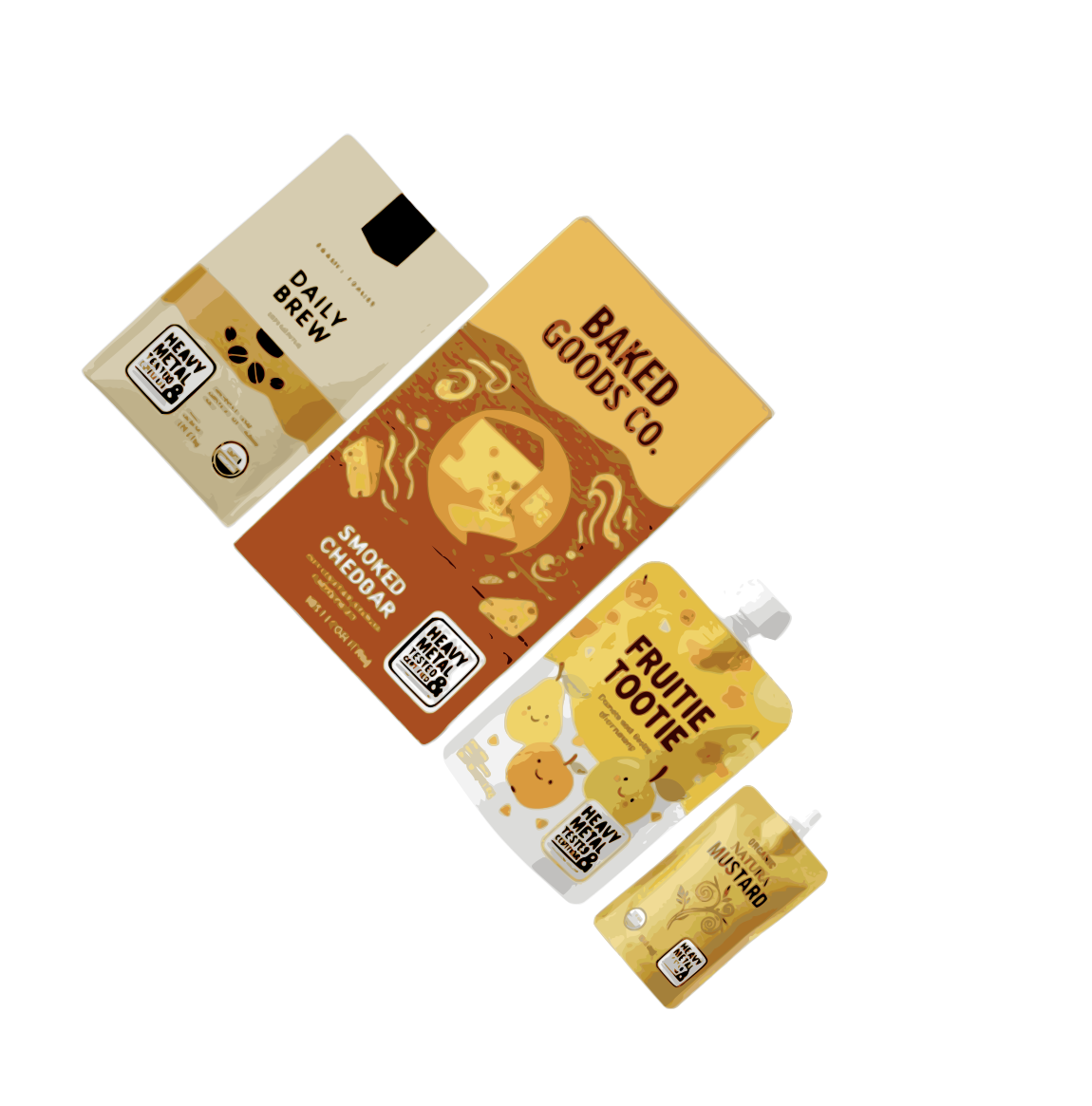
Some pouches carry the Heavy Metal Certified mark, which means that specific product was tested through a qualified independent laboratory and met a published standard covering eight metals, with retesting every year. It does not mean a pouch is free of metals, and a pouch without it has not failed anything. What the mark means.
FAQ
Are baby food pouches high in heavy metals? Not because of the pouch. Levels depend on the ingredients. Pouches heavy in sweet potato, carrot, or rice tend to run higher.
Are pouches worse than jars? The packaging is not the main factor. The same ingredients carry the same trace metals in either format.
Are organic pouches lower in heavy metals? Not reliably. Organic rules do not set heavy metal limits.
How can I see test results for a pouch? Scan the QR code on the package, or check the brand's website. Brands selling baby food in California must post results.
Learn more
- Applesauce and fruit pouches
- Homemade vs packaged baby food
- What Heavy Metal Tested certification is
Make baby food pouches? Book a 30-minute call about certification.
Case Studies You May Be Interested In
 Cadmium and Kidney Health in Cats: What Research Shows
What cat studies have measured, and why found together is not the same as caused.
October 17, 2026
 Heavy Metals in Dog Food: What Owners Should Know
What dog-specific research shows about protein source, raw game diets, and puppies.
October 16, 2026