




Homemade Cat Food and Heavy Metals
Cooking at home moves the testing job to you. What the research shows and how to do it with expert help.
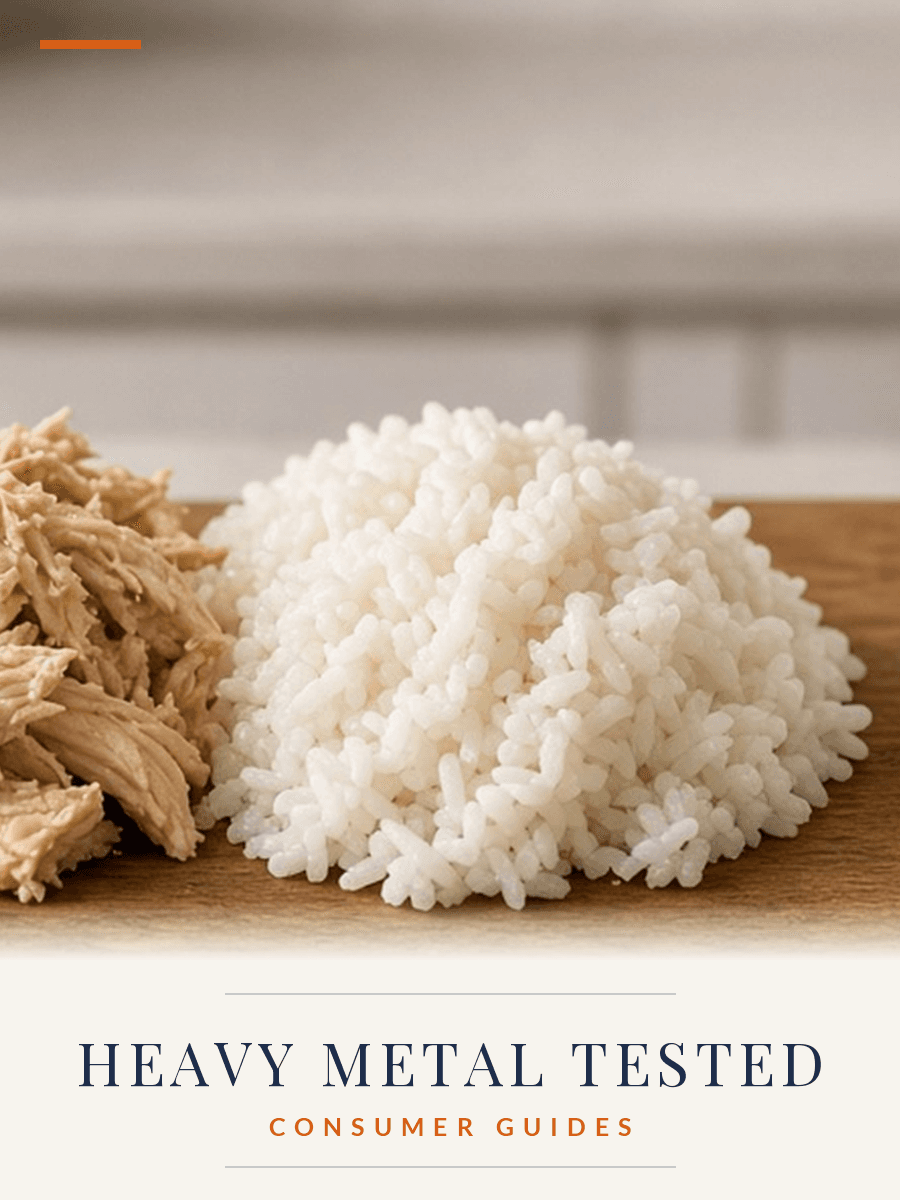
Is homemade cat food lower in heavy metals? What a study of home-prepared diets found, why recipes fall short, and how to cook for a cat with expert help.

Abstract
Keywords
homemade cat food heavy metals, is homemade cat food better than store bought heavy metals, home cooked cat food lead, homemade cat food recipes balanced

The short answer
Cooking at home doesn't take heavy metals out of the picture. In a 2019 study from Brazil, researchers made 100 home-prepared diets for dogs and cats from published recipes and tested them. Lead, cobalt, mercury, uranium and vanadium were above the maximum tolerable levels the authors used, in recipes for both species. None of the diets met all the nutrient recommendations they were checked against.
A separate 2019 study in JAVMA found that no cat recipe it could analyze met all of the nutrient allowances for adult cats.
If you want to cook for your cat, the route both groups of researchers point to is a recipe from a board-certified veterinary nutritionist, followed exactly.
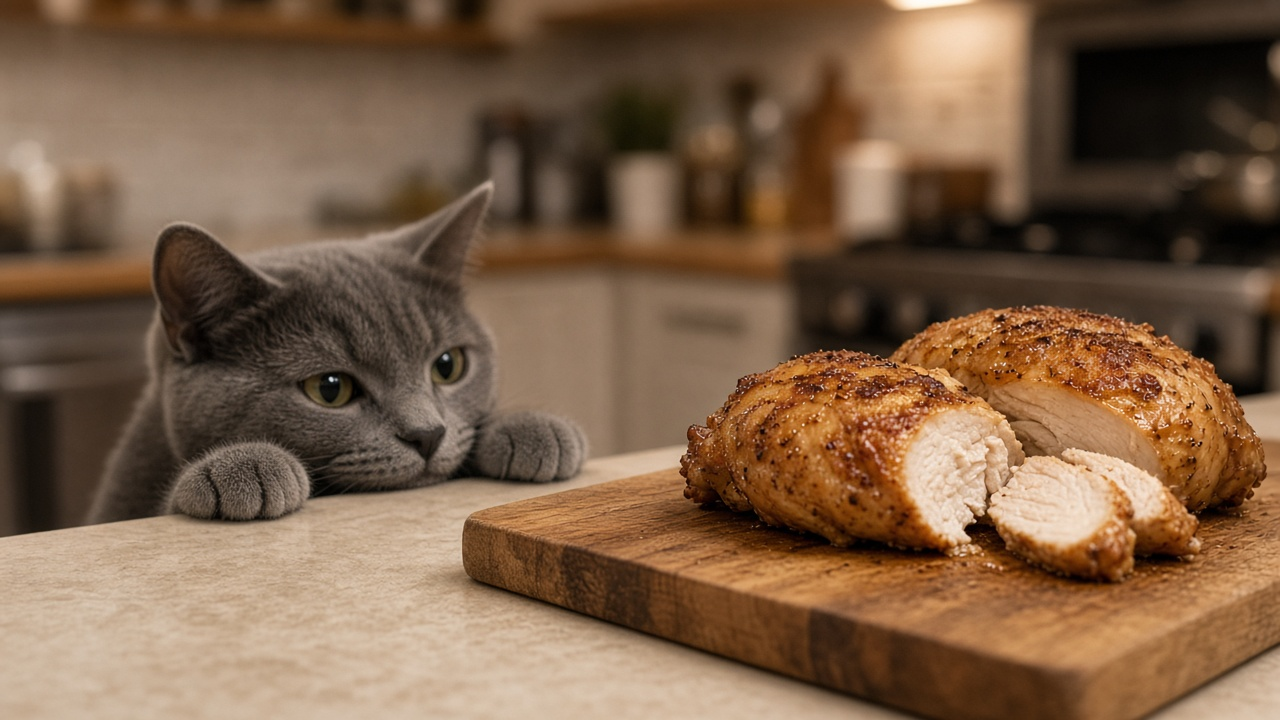
What a study of homemade diets found
The Brazil study is the clearest one we found that cooked homemade pet recipes and then tested them for heavy metals. The researchers searched online for recipes in Portuguese for healthy adult dogs and cats. They chose 75 dog recipes and 25 cat recipes, prepared each one as written, and sent the food to the lab.
They looked at two things.
Nutrients. None of the 100 diets supplied recommended levels of all the nutrients the team evaluated. In the cat recipes, iron and zinc were the nutrients most often below recommendations. None of the cat recipes listed a vitamin and mineral supplement.
Heavy metals. The team measured 15 heavy metals and compared them with FDA maximum tolerable levels for dogs and cats. Lead, cobalt, mercury, uranium and vanadium were the only ones above those levels in recipes for both dogs and cats. The authors concluded that home-prepared diets may be a health risk to dogs and cats if they aren't properly formulated, and that the effect of long-term heavy metal intake needs more study.
The study has limits. The recipes came from Portuguese-language websites, and 25 cat recipes is a small sample. It doesn't tell us that homemade food is higher or lower in metals than commercial food. It tells us that cooking at home did not keep metals out.
Why recipes fall short
The JAVMA study looked at nutrition only, not heavy metals. Researchers collected 114 recipes for adult cats from books and websites. Only 94 had enough detail to analyze, and almost all of those still needed assumptions about ingredients, preparation or supplements.
None of the 94 met all of the National Research Council's recommended allowances for adult cats. Most were short on three or more nutrients. Recipes written by veterinarians and recipes that included supplements did better, but even those fell short somewhere. The authors recommended that homemade diets be formulated by a board-certified veterinary nutritionist or an animal nutritionist with advanced training.
Cats have their own nutrient needs, and the study found that many recipes missed them. A recipe that looks complete to a person may not be complete for a cat.
Same ingredients, same metals
Heavy metals reach food through soil, water and feed. A chicken breast, a fish fillet or a bag of rice from the grocery store comes from the same food system as the ingredients in commercial pet food. Our post on where heavy metals in cat food come from walks through those routes, and our post on lead, arsenic and mercury in cat food covers each metal.
In the Brazil study, the authors also looked at which ingredients tracked with higher metal levels. In the cat recipes, several vegetables and meats were linked to the metals that ran above the limits, including beef liver and chicken breast for lead. That's a correlation in a small sample, not proof that any one food is the cause.
The bigger point is about testing. A commercial maker can test its finished food. When you cook at home, no one tests your batch. The sources we reviewed did not include a way for owners to check a home-cooked batch for metals.
Supplements, which homemade recipes often need, can carry metals too.
If you want to cook for your cat
Homemade food can work for cats, but it takes expert help. Tufts University's Petfoodology team says the way to make sure a home-cooked diet meets a pet's needs is to get the recipe from a board-certified veterinary nutritionist or a nutritionist with a PhD in animal nutrition and experience formulating pet diets.
Once you have a recipe, the same team says to follow it exactly. In a post on common home-cooked diet mistakes, they warn that changing the cooking method or swapping ingredients changes the nutrients in the food. They also note that a balanced home-cooked diet almost always needs concentrated vitamin and mineral supplements in the amounts the nutritionist sets.
Board-certified veterinary nutritionists are certified through the American College of Veterinary Internal Medicine, which certifies specialists in nutrition. Your veterinarian can help you find one.
Questions to ask
Before you start, two sets of questions help:
- For the nutritionist: Is this recipe formulated for my cat's age and health? Which supplements does it need, and how much? What should I do if I can't find an ingredient?
- For yourself: Where do my ingredients come from? Can I use the same ones every time, as the recipe asks?
If you also feed commercial food, raw food or treats, our 5-minute cat food check has questions for those products.
FAQ
Is homemade cat food lower in heavy metals? The study we found doesn't show that. When researchers in Brazil cooked and tested 25 cat recipes and 75 dog recipes, lead, mercury and three other metals were above the limits they used in recipes for both species.
Are online cat food recipes balanced? Most aren't, according to the studies we reviewed. In the JAVMA study, none of the 94 cat recipes that could be analyzed met all nutrient allowances for adult cats.
Who can formulate a homemade diet? A board-certified veterinary nutritionist, or an animal nutritionist with advanced training. The American College of Veterinary Internal Medicine certifies specialists in nutrition.
A note on your cat's health
This article is general information, not veterinary advice. Talk with your veterinarian before changing your cat's diet, and use a recipe formulated by a board-certified veterinary nutritionist.
Food can be tested
Commercial recipes can be tested batch by batch. Heavy Metal Tested is a certification program that helps brands share independent results with owners. Learn how certification works.
Case Studies You May Be Interested In
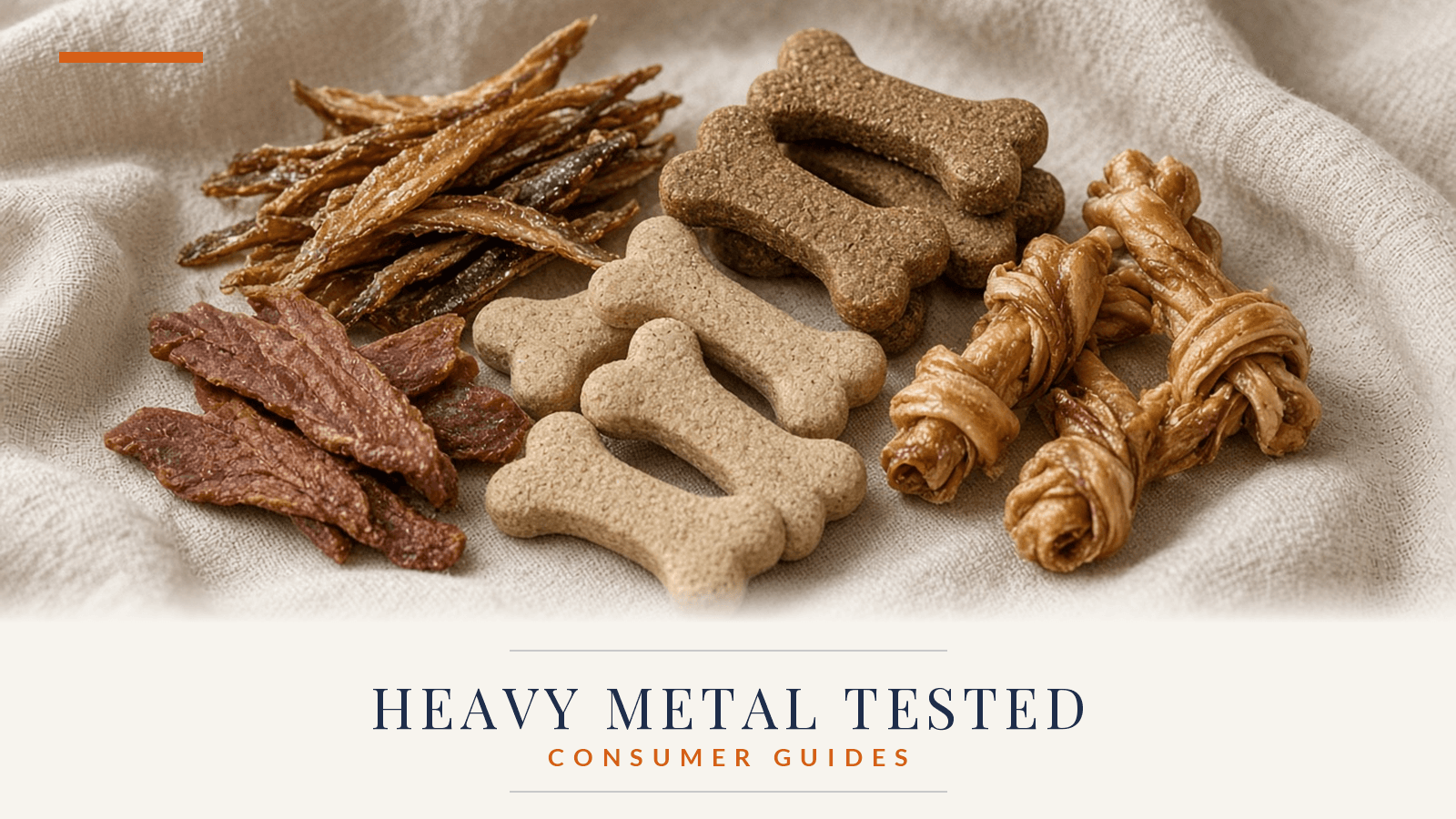 Heavy Metals in Pet Treats: What Studies Found
Treats are a small share of the diet. The same questions still apply.
October 30, 2026
 Raw and Freeze-Dried Pet Food: Heavy Metals
Why game meat, not the word raw, is where the studies point, and how drying changes the numbers.
October 29, 2026