



Heavy Metals in Pet Treats: What Studies Found
Treats are a small share of the diet. The same questions still apply.
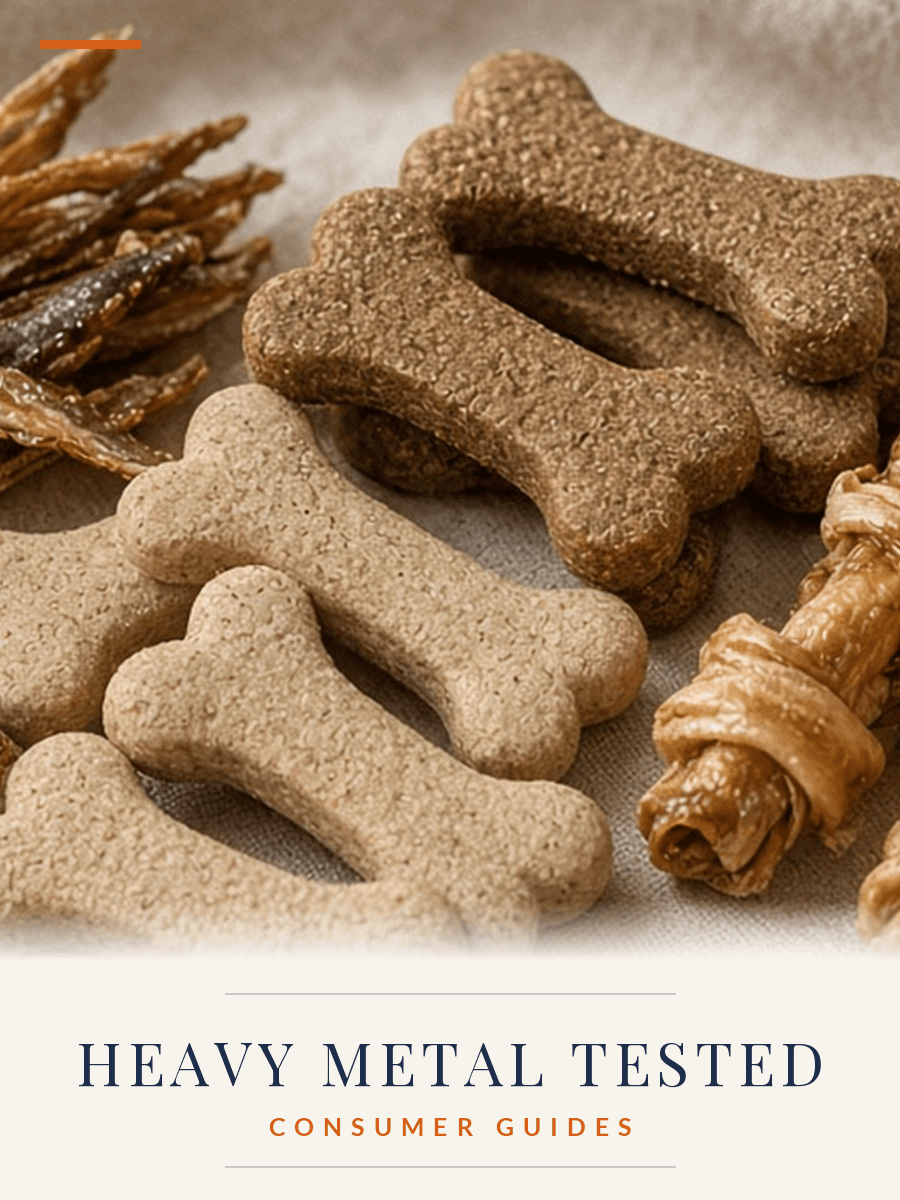
What limited research shows about lead in pet treats and snacks, why treats can differ from the main food, and what to ask the companies that make them.

Abstract
Keywords
heavy metals in pet treats, lead in dog treats, cat treats heavy metals, are jerky treats tested for heavy metals, dental chews heavy metals

The short answer
There isn't much research on heavy metals in pet treats. The clearest study we found tested 44 snacks sold in Japan and made mainly with venison, and most had lead below the level the lab could measure. One snack was above the Japanese limit for pet food, though below the EU limit for that kind of feed.
Treats are meant to be a small part of the diet. WSAVA's guide to treats for cats says they should make up no more than 10% of a cat's daily calories.
A small share still counts. Ask treat makers the same questions you'd ask about the main food.
How much of the diet treats are
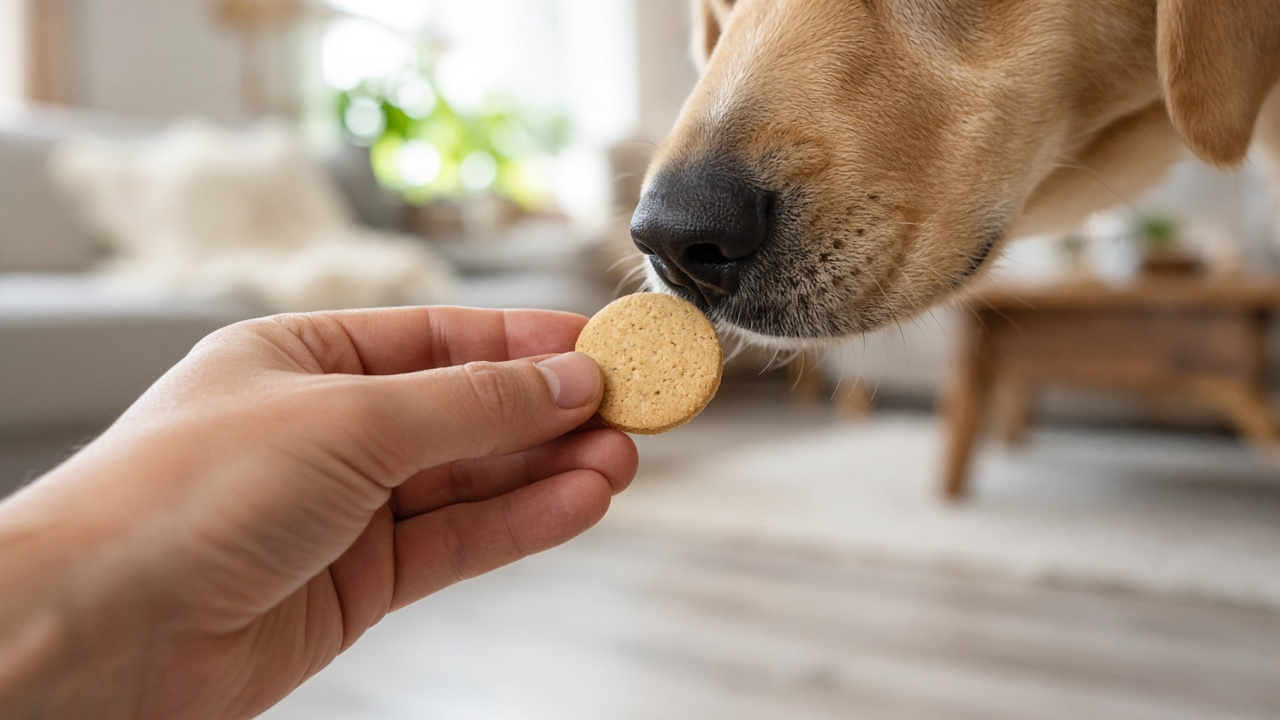
WSAVA, a global group of veterinary associations, says treats should make up no more than 10% of a cat's daily calorie intake and should never replace a meal. It also notes that for commercial treats, you can contact the maker for calorie information if it isn't on the label.
The Merck Veterinary Manual makes a related point for dogs: most treats are not complete and balanced, so the total amount of treats each day should be limited.
That limit matters for heavy metals too. A treat that makes up a few percent of calories adds less than the main food does. But habits vary. A pet that gets a chew every day, plus training rewards, plus a topper, may get a larger share than the owner thinks. If you're not sure how much your pet gets, the calorie numbers are a good place to start.
What treat studies have found
Two studies in the sources we reviewed measured lead in pet treats.
Japan, venison snacks. Researchers at Kyoto University tested 44 commercial pet snacks made in Japan, mainly with venison. Thirty-seven were for dogs, one was for cats, and six were for both. In 30 of the 44, lead was below the lab's limit of quantification, which means too low to measure reliably. One of the other 14 had lead above the maximum the Japanese agriculture ministry sets for pet food, but below the maximum the EU sets for complementary feed. The researchers tried to trace where that lead came from and could not. They called for continued attention to lead in venison and other wild game used in pet food.
Brazil, dog and cat treats. A Brazilian team's study in Talanta set out to build a faster lab method for measuring lead, nickel and iron in dog and cat treats. When the team tried the method on treat samples, lead was detected in the samples tested. This was a methods paper with a small number of samples, so it tells us lead can be found in treats, not how common it is.
Neither study looked at a broad range of treats from many makers. The sources we reviewed did not include a large survey of heavy metals in US pet treats.
Why treats can differ from the main food
A complete food is made from many ingredients. Many treats are made from one, such as liver, jerky-style meat or fish skin. If that one ingredient carries more of a metal, there's no other ingredient in the treat to dilute it.
Drying matters too. Jerky, dried and freeze-dried treats have had most of their water removed, so whatever metals are in the meat are packed into fewer grams. Our post on how to read pet food heavy metal test results explains how that changes the numbers.
Game is the other thread. The venison snack study came out of concern about lead in wild game, and lead from ammunition has turned up in raw dog foods made with game. Our post on raw and freeze-dried pet food covers that research.
Where an ingredient comes from also matters, since metals reach food through soil, water and feed. Our post on where heavy metals in cat food come from walks through those routes.
Chews and dental treats
The sources we reviewed did not include a study of heavy metals in chews or dental treats. That's a gap, not a finding. It doesn't tell us chews are higher or lower than other treats.
The same questions apply. Chews are often given every day, so a pet can get a steady amount of whatever is in them. Ask the maker what the chew is made of and whether the finished product was tested.
What to ask a treat maker
Treat makers can be asked the same things as food makers:
- Do you test the finished treat for heavy metals? Ingredient tests are useful, but the finished product is what your pet eats. Our post on how pet food is tested for heavy metals covers the difference.
- Which lab ran the test, and how often do you test? One test from years ago tells you less than regular testing.
- Can you share results for this product? Ask for results per product, not a general statement.
Our 5-minute cat food check has a short list of questions you can use for treats too.
FAQ
Do dog treats contain lead? Some do. In a Japanese study of 44 venison snacks, most had lead too low to measure, and one was above the Japanese limit for pet food. A small methods study from Brazil detected lead in the treat samples it tested.
Do treats matter if they're a small part of the diet? They matter less than the main food, but they still count. WSAVA says treats should make up no more than 10% of a cat's daily calories. Pets that get daily chews or many rewards may get more.
Are jerky treats tested for heavy metals? The sources we reviewed did not include a survey of how many treat makers test. Our post on who regulates heavy metals in pet food explains what the rules cover. The most useful step is to ask the maker for results for the product you buy.
A note on your pet's health
This article is general information, not veterinary advice. Talk with your veterinarian before changing your pet's diet.
Treats can be tested too
Treats can be tested and certified the same way as main meals. Heavy Metal Tested is a certification program that helps brands share independent results with owners. Learn how certification works.
Case Studies You May Be Interested In
 Raw and Freeze-Dried Pet Food: Heavy Metals
Why game meat, not the word raw, is where the studies point, and how drying changes the numbers.
October 29, 2026
 Fish vs Poultry Pet Food: Heavy Metals Compared
The pattern across studies, the exceptions, and what to ask about your recipe.
October 27, 2026