




Grain-Free vs. Grain-Inclusive Cat Food: Heavy Metals
Why the label word doesn't predict heavy metals, and what does.
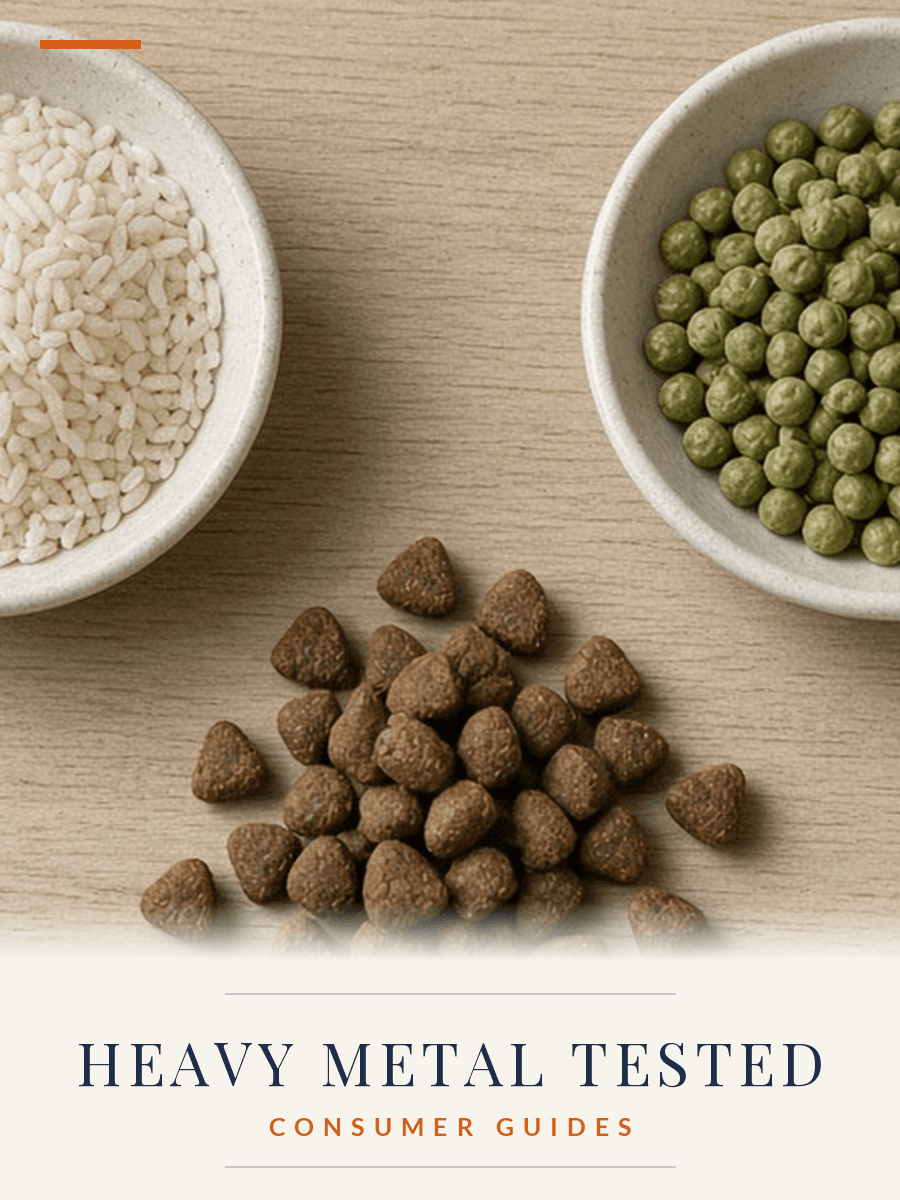
Is grain-free cat food lower in heavy metals? What research shows about rice, arsenic and other ingredients, and why the label word doesn't tell you.

Abstract
Keywords
grain free cat food heavy metals, rice in cat food arsenic, is grain-free cat food lower in arsenic, legumes pet food heavy metals

The short answer
The sources we reviewed did not include a study that compared grain-free and grain-inclusive pet food for heavy metals. So there's no evidence either way that one is lower.
What the research does show is that ingredients matter. Rice is a known source of arsenic in food for people, and one small study found more inorganic arsenic in the hair of dogs fed a rice-based diet. But grain-free foods swap grains for other ingredients, and plant and animal ingredients can carry metals too.
"Grain-free" tells you what's left out of a recipe. It doesn't tell you what's in the food that replaced it, or what a test would show.
What "grain-free" means and doesn't
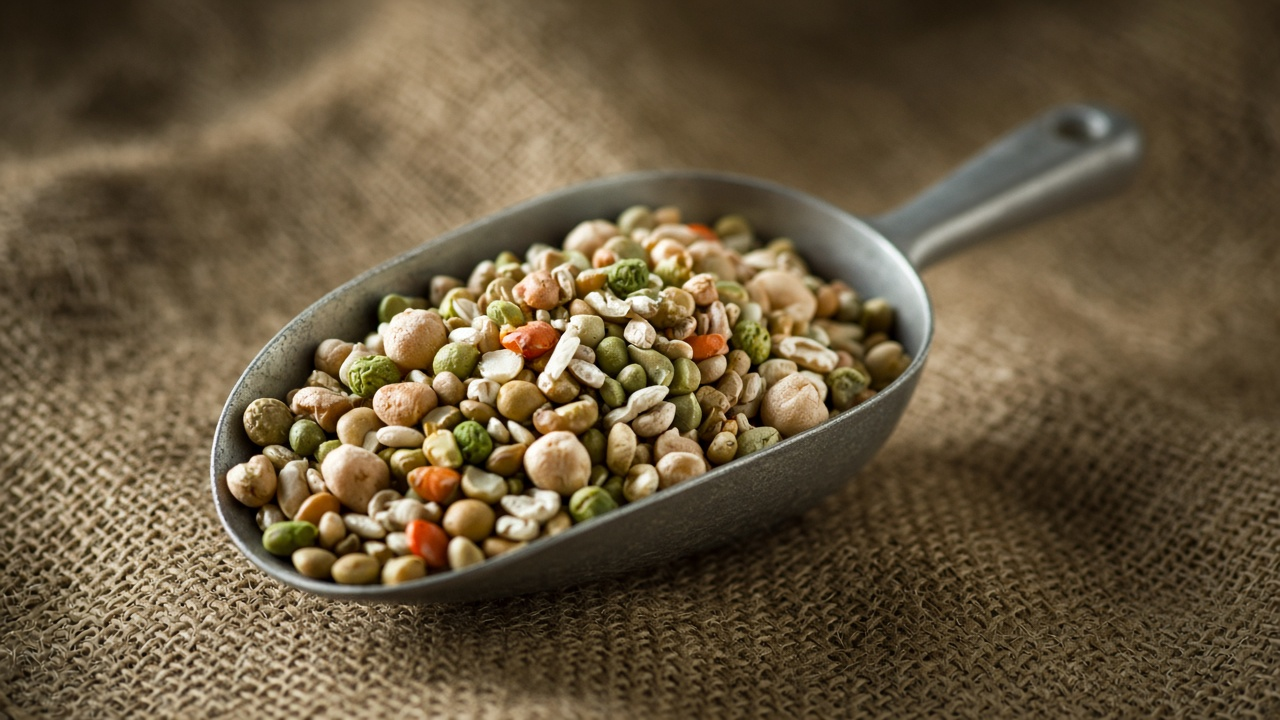
A grain-free food leaves out grains such as rice, corn and wheat. The recipe still needs other ingredients in their place. FDA has noted that pulses, such as peas and lentils, are used in many grain-free diets in greater proportion than in most grain-containing ones.
So "grain-free" is a statement about ingredients, not about contaminants. Two grain-free foods can be built from very different ingredients, and so can two grain-inclusive foods. The protein, the fats, the minerals and any fish or organ meat are all still there, whichever way the starch question is answered.
That's why the label word on its own can't answer the heavy metal question. The ingredient list gets you closer, and a test result gets you closest.
Rice and arsenic
Rice is the grain most often linked with arsenic. FDA's page on arsenic in food, written for food for people, lists rice and rice products among the foods it has tested for inorganic arsenic. FDA also notes that current research shows inorganic arsenic is more dangerous than organic arsenic.
For pets, the evidence is thin. A small study of Staffordshire bull terriers measured inorganic arsenic in the hair of seven dogs fed a rice-based diet and nine dogs that ate no rice. The rice-fed dogs had significantly higher hair levels. The authors concluded that eating a rice-based diet for a long time is a risk for chronic inorganic arsenic exposure in dogs.
That's 16 dogs of one breed, and hair levels are a marker of exposure, not a measure of harm. The sources we reviewed did not include a similar study in cats.
Rice in pet food is also only one ingredient among many. A 2021 Brazil study tested broken rice, whole corn and wheat bran as pet food ingredients. Wheat bran, not rice, had the highest levels of most of the toxic metals measured among those three. For rice in food for people, see our post on heavy metals in rice.
Other ingredients carry metals too
Taking grains out doesn't take metals out. The same Brazil study compared protein ingredients and found that, in general, animal by-products had higher toxic metal concentrations than plant-based ingredients. Among fats, pork fat had more arsenic, mercury and antimony than fish oil and poultry fat.
Animal ingredients are in grain-free and grain-inclusive foods alike. Fish-based cat foods had higher arsenic, cadmium and mercury than meat-based ones in a 2021 study from Spain, and our post on fish vs poultry pet food covers that research. Our post on where heavy metals in cat food come from explains how metals reach both plant and animal ingredients.
What about peas, lentils and other legumes? The sources we reviewed did not include a study that measured heavy metals in pulse ingredients used in pet food. We can't say whether they run higher or lower than grains.
No standards for some trace elements
A study of cereal and cereal-free dry dog foods focused on minerals, not contaminants. But its authors made a point that applies here: while major minerals in pet food are covered by nutrient guidelines, there are no standards set by regulatory agencies for monitoring several trace elements, including cadmium and lead.
That study was about dogs and nutrition, so it doesn't tell us whether cereal-free foods were higher or lower in metals. It does show why owners can't rely on a label word. Our post on who regulates heavy metals in pet food explains what the rules cover.
Grain-free and heart disease is a separate question
You may have read about FDA and grain-free pet food. That work is about a heart condition in dogs called dilated cardiomyopathy, or DCM, not heavy metals.
FDA's questions and answers on DCM say it has received reports of non-hereditary DCM associated with both grain-free and grain-containing diets. FDA says most of the diets associated with those reports have non-soy legumes and pulses, such as peas and lentils, high in their ingredient lists, and that legumes and pulses have been used in pet foods for many years with no evidence that they are inherently dangerous. FDA encourages owners to discuss their animals' diets with their veterinarians.
We don't cover DCM here. If it's your concern, talk with your vet.
What to ask
Whether your cat eats grain-free or not, the questions are the same:
- Can you share heavy metal results for this recipe? Results per recipe tell you more than any label word.
- Was arsenic tested as a total, or by form? Inorganic arsenic is the form FDA calls more dangerous. Our post on seaweed, kelp and fish meal in pet food explains why the form matters.
- How are results reported? As fed or dry matter changes the number. Our guide on how to read pet food heavy metal test results explains the difference.
FAQ
Is grain-free cat food lower in heavy metals? The sources we reviewed did not include a study that compared grain-free and grain-inclusive pet food for heavy metals. Ingredients, not the label word, drive what a food carries.
Does rice in cat food add arsenic? Rice is a known source of inorganic arsenic in food for people, and one small study found higher hair arsenic in rice-fed dogs. The sources we reviewed did not include a cat study.
Is the FDA grain-free investigation about heavy metals? No. It's about a heart condition in dogs, and FDA says it has received reports associated with both grain-free and grain-containing diets.
A note on your pet's health
This article is general information, not veterinary advice. Talk with your veterinarian before changing your pet's diet.
The label word isn't the test
Results tell you more than "grain-free" can. Heavy Metal Tested is a certification program that helps brands share independent results with owners. Learn how certification works.
Case Studies You May Be Interested In
 Heavy Metals in Fish Oil and Supplements for Cats
What a study of 70 pet supplements found, what fish oil tests show, and why kelp is a separate question.
November 09, 2026
 Homemade Cat Food and Heavy Metals
Cooking at home moves the testing job to you. What the research shows and how to do it with expert help.
November 08, 2026